
At university, a friend and I were working on a project for our creative writing degree.
We took the train from Bath to London and made our way to the offices of Little, Brown Book Group. We were there to interview Emmanuel Jal, author of War Child, and his agent. Jal was seven years old when he became a soldier in Sudan’s civil war. He believed he was being sent to school. Instead, he was sent to the front line.
He would later walk to a refugee camp in Ethiopia, becoming one of the Lost Boys of Sudan. After nearly five years of fighting as a child soldier, he was smuggled into Kenya by the British aid worker Emma McCune, where he finally began a childhood, and an education.
Back to London and we are sat in the meeting room, waiting. When Jal and his agent walked in, a wave of doubt moved through me. What was I doing here?
I was twenty-odd. Still a student. Sitting inside one of the most successful publishing houses in the country, about to conduct a joint interview with a man who had navigated realities I could barely comprehend. Surely someone else should be asking the questions. Surely I didn’t have the authority. Surely I ought to just take notes?
It’s strange, looking back. No one in that room questioned whether I belonged there.
Only me.
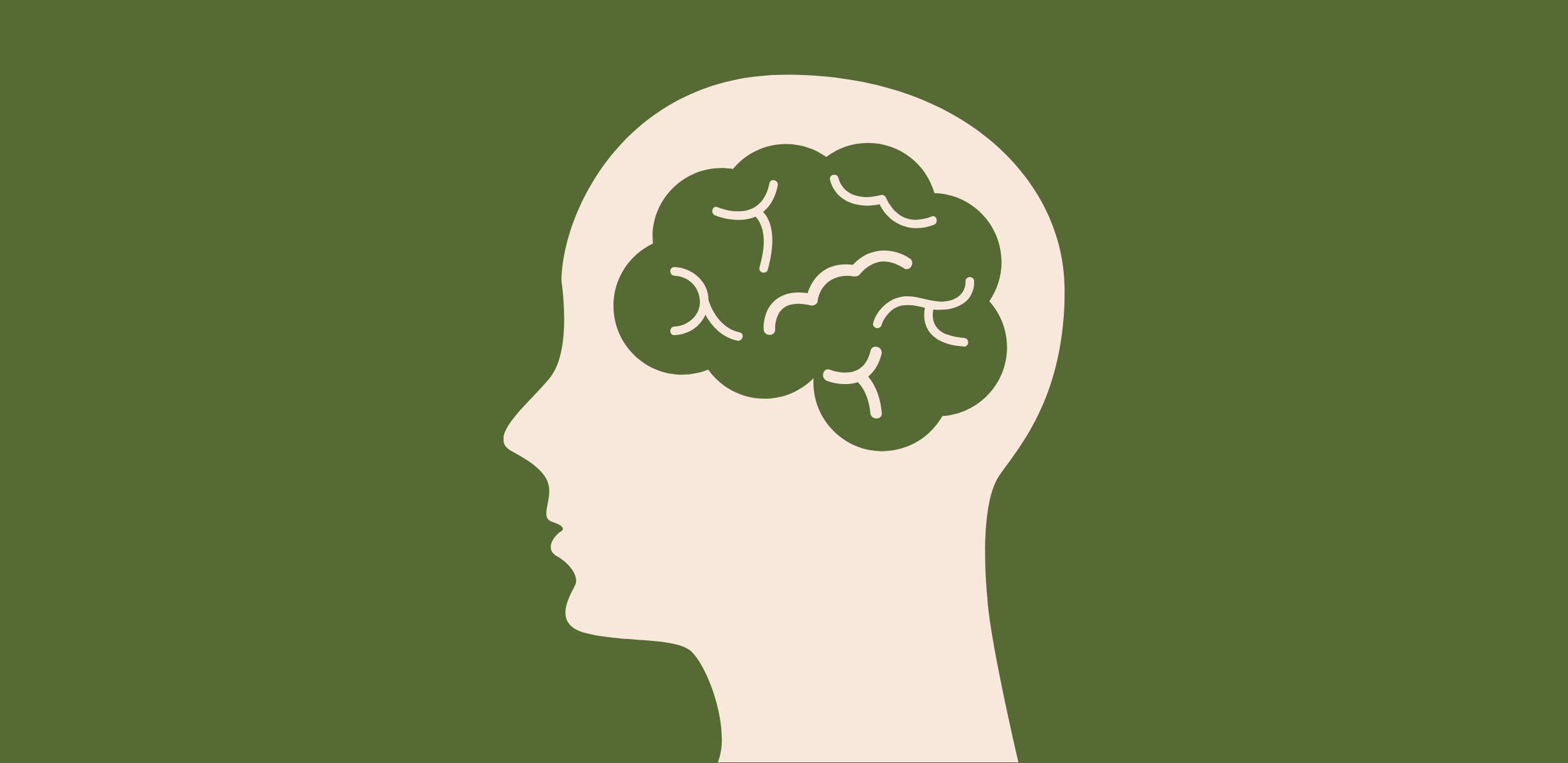
Researchers at Stanford University, most notably psychologist Carol Dweck, describe limiting beliefs as implicit theories, deep assumptions about whether ability is fixed or developable.
When doubt hardens into a fixed interpretation (“I’m not Editor material”), it stops being a passing emotion and becomes a cognitive filter. It shapes how you interpret feedback, whether you pursue challenge, and how you respond to setbacks.
In that sense, self-doubt is a belief about identity. And beliefs about identity influence behaviour long before they influence results.
Let’s imagine there is a marketing director called Ana. Ana works at a global apparel brand. Strong taste; good with numbers. The kind of operator every CMO says they want: creative instincts with commercial discipline.
Her reviews are consistently excellent. She’s the person people call when a launch is stuck. She can translate between creative, product, finance, and regional teams without turning it into chaos. And yet, every time a senior role opens up, she hesitates. Not because she’s unqualified, but because she carries a private assumption that she’s not “executive material.”
So she does what high-potential people often do when a fixed theory of ability begins to govern behaviour - she treats opportunity as risk.
In the most expensive rooms, the ceiling is sometimes cognitive.
Self-limiting beliefs are belief structures. Patterns of interpretation that shape what you notice, what you remember, and what you attempt.
1) Negativity bias: your brain gives more weight to threat than to praise
2) Confirmation bias: once a belief forms, the brain starts filtering
3) Expectations shape behaviour (Pygmalion effect / Rosenthal effect)
Self-limiting beliefs rarely walk in saying, “I’m afraid.” They sound more reasonable than that. “I just need a bit more time.” “I don’t want to overstep.” “Let me get it perfect first.” So you stay in execution mode. You soften your opinion. You hesitate before speaking up. It feels responsible. But under the surface, what’s often running is an assumption about who you are allowed to be in the room.
The research is quite confronting. A large survey of workers across Europe found that about 63% reported experiencing impostor-like self-doubt at work at some point, and more than half said those feelings had led them to turn down or miss opportunities, not because they lacked capability, but because they doubted it internally.
Self-belief isn’t a personality trait you either have or don’t. It fluctuates. Bad days depress it. Setbacks distort it. And when a negative belief settles in, your brain starts protecting it by filtering evidence. That’s why simply “thinking positive” doesn’t work.
What does work is structured evidence and small behavioural tests, actions that generate disconfirming data. Beliefs change when experience contradicts them repeatedly. Dealing with negative self-beliefs is about updating the story your brain is telling with better evidence.
Not “I’m insecure.”
A belief is usually a sentence: “If I take a bigger role, I’ll be exposed.” “Execs won’t take me seriously.” “I’m good at delivery, not leadership.”
Create two columns:
Column A) Evidence that supports the belief
Column B) Evidence that contradicts it
Not: “I’m amazing.”
Yes: “I have led X outcomes; I can lead bigger outcomes with structured exposure and feedback.”
Pick one test per month:
Then treat the outcome as data.
Beliefs consolidate through repetition and reinforcement. So you need structured feedback (manager, mentor, peer) and a record of proof.
Back in that meeting room at Little, Brown, nothing dramatic happened. I asked questions. Emmanuel Jal answered them. The interview proceeded.
No one questioned whether I belonged there. Only me.
Ana is fictional. The pattern is not. But there are versions of her everywhere. Talented, trusted and deeply capable people who are wrestling internally. Constantly negotiating with a voice in one’s head about how much they get to grow. Left untested, those sentences set the boundary across the board - at work, at home, in relationships, in creative risk. In how fully you live your own life.
As Carol Dweck’s research suggests, ability is a trajectory. And trajectories change the moment you decide to test them.