
As Daniel Kahneman observed, people naturally conserve mental energy, especially in routine decisions, relying on familiarity and ease rather than constant evaluation. The brain prefers paths that feel settled.
From a neurological standpoint, this makes sense. The prefrontal cortex manages comparison and judgement, but it is energy-intensive. When packaging is crowded with claims, contrast, or competing signals, the cost of choosing rises. Clear hierarchy, restrained colour, and generous spacing lower that cost. Fewer signals mean fewer conflicts to resolve.
The result is comfort. A decision environment that feels calm, predictable, and safe enough to repeat. Which is precisely what everyday categories are for.
The prefrontal cortex handles evaluation and comparison, but it is metabolically expensive. When CPG packaging is cluttered, high-contrast, or claim-dense, more processing is required. Clear hierarchy, limited colour, and generous spacing take away that load. The brain no longer needs to resolve competing signals.
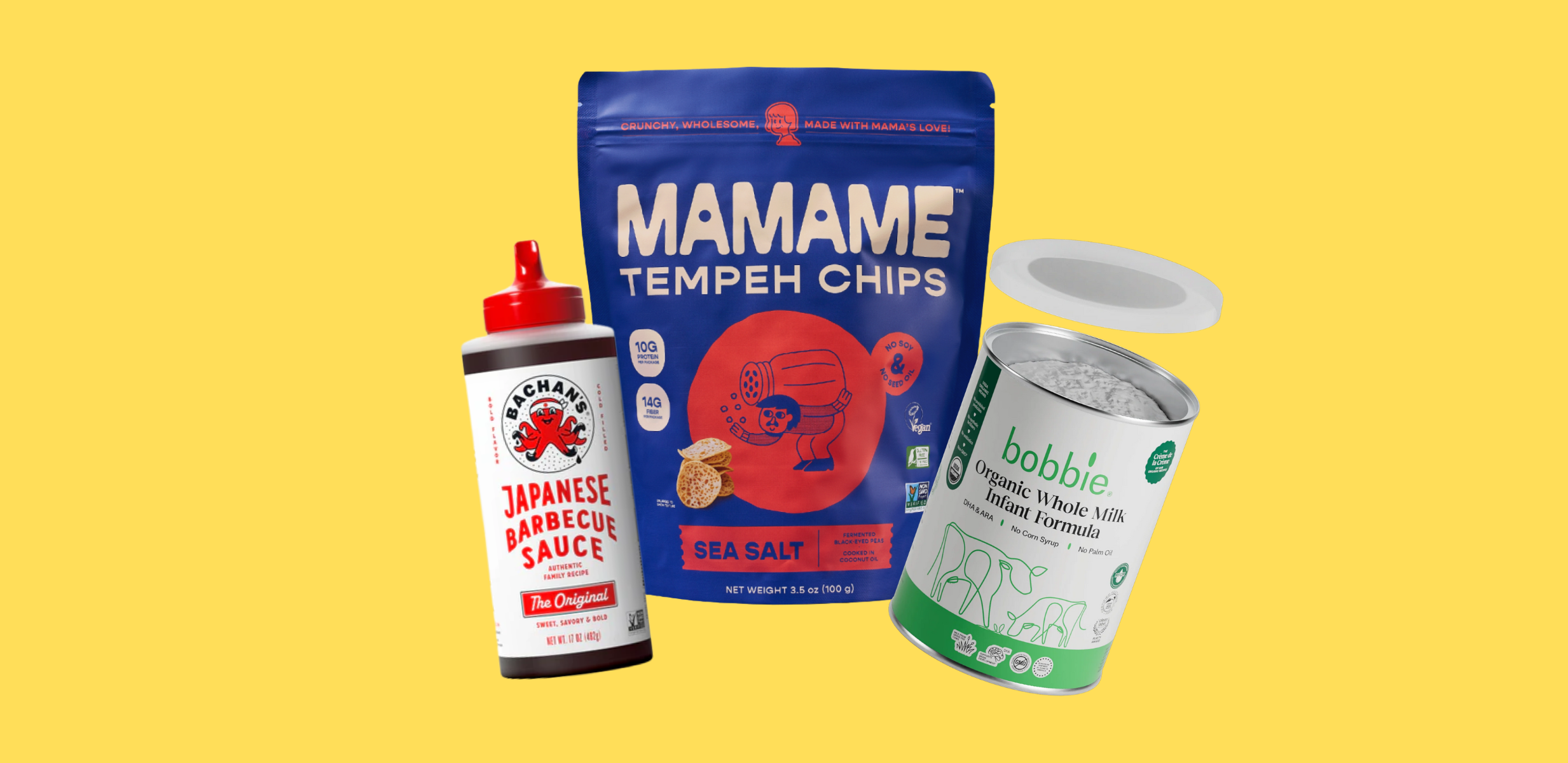
Marzetti’s agreement to acquire Bachan’s, Inc. is the clearest recent proof that incumbents are paying for automatic behaviour, not category novelty. Announced on 3 February 2026 and reported at $400m, the deal formalised Bachan’s hard work: becoming familiar enough to feel inevitable.
Cognitive scientist and design theorist Don Norman has observed that the real job of design is not to be noticed, but to remove effort. “The goal of design is to make things understandable,” he writes.
That idea becomes most visible in the products people stop actively choosing. In my own pantry, Defaultcore shows up in what I reorder without thinking. Sriracha Green Chili Hemp Seed Oil. Naturly’s chocolate vegan protein powder. I buy them the same way I buy Yorkshire Decaf or Dragonfly tea Earl Grey Rooibos, on instinct. They’re staples. Products I trust to behave the same way every time, which is precisely why they stay.
You can see that same pattern at work in how Defaultcore appears in the market:
.png)
Bobbie’s palette? Clinical sky blue paired with regulatory green. The homepage is composed to lower anxiety. Wide spacing. Soft contrast. Nothing competes for attention. Defaultcore operating at its highest emotional stakes.
The design stabilises and suggests the decision has already been made correctly.
Bobbie operates under different emotional conditions. In a category shaped by scrutiny and concern, its strength has come from reducing uncertainty. By narrowing choice and presenting institutional calm, the product offers reassurance.
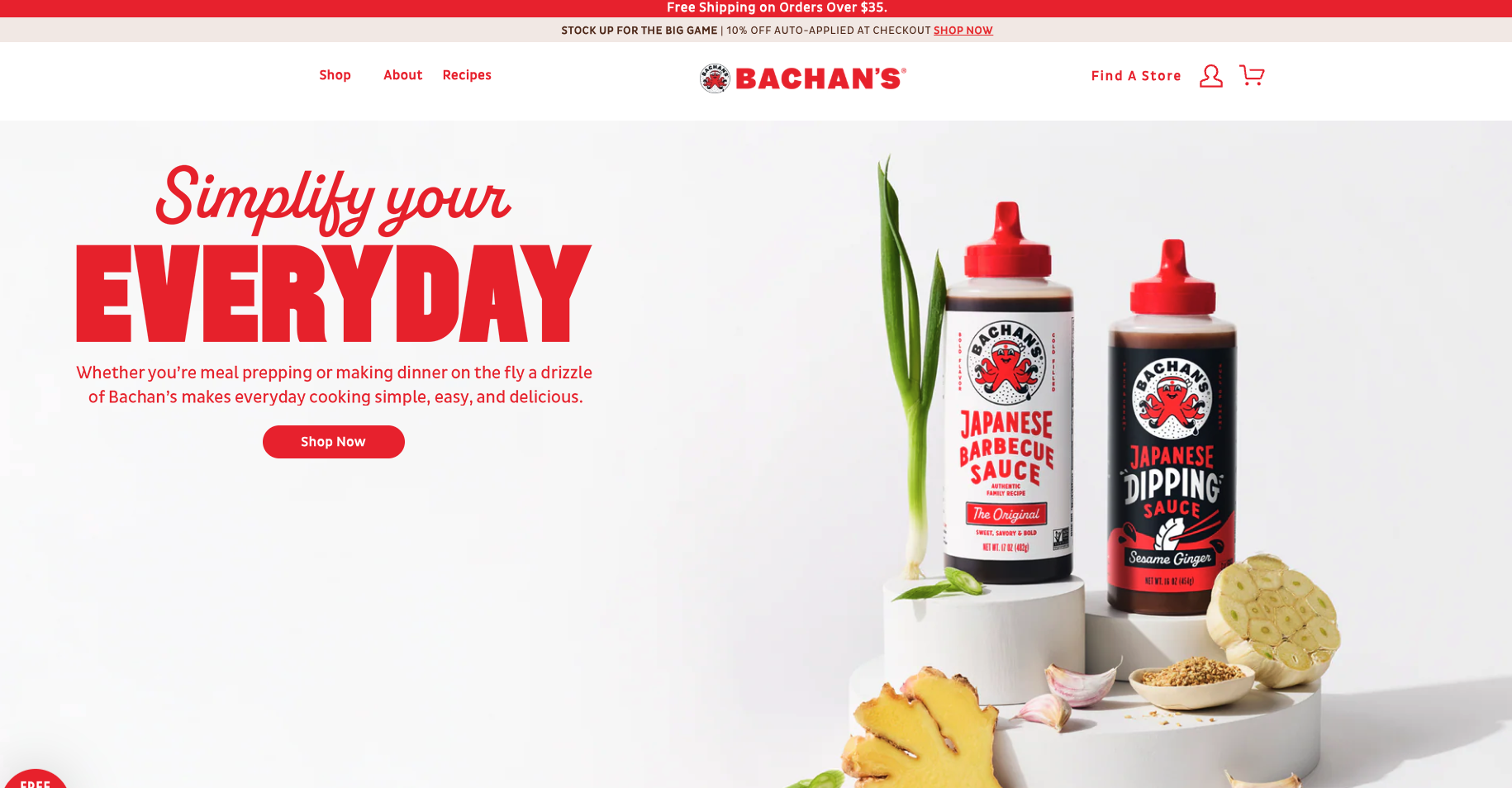
The palette references the Japanese pantry approach and the bottle looks like it already belongs in the cupboard.
In Defaultcore terms, Bachan’s is designed to be reached for. The Marzetti acquisition simply formalised what the design had already communicated: this is now baseline behaviour, not a passing trend.
Brands like Bachan’s have attracted acquisition interest because they established stability inside everyday behaviour. Over time, Bachan’s became a reliable pantry presence rather than something to rediscover. Cultural specificity was built into the product and packaging in a way that felt familiar. The value lay in how easily the same bottle could be reached for again, without pause.
.png)
A fibre-forward snack brand built around legumes, chickpeas, broad beans, edamame, everyday foods recontextualised for modern snacking. It's palette sits on a muted legume greens, reds and dark browns, living in the world of dried beans and leaves. The structural blue adds order and calm.
Nothing on the pack visualises digestion. No gut diagrams. No arrows. No optimisation language. Fibre is not framed as an achievement. Mamame is allowing us to snack without consequence.
They applies the same approach to everyday nutrition. Fibre is treated as a practical input rather than a goal to optimise. Delivered through a familiar snack format and a maintenance-led design language, the product fits easily into existing habits, making repetition feel uncomplicated.
-
Taken together, all of the above has implications beyond design. For product teams, it shifts innovation toward tolerance, consistency, and repeat use. For marketers, it softens the assumption that clarity requires constant messaging. And for incumbents, it helps explain why value is increasingly attached to brands that are already embedded in routine and difficult to displace.
The final test of Defaultcore is whether a brand stops being reconsidered at all.